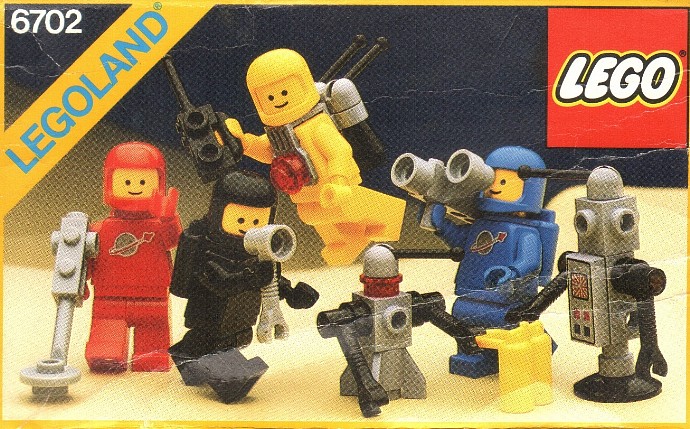
Five colors. Simple smiles. Infinite adventures. Meet the original crew of the galaxy.
From 1978 to 1987, LEGO Classic Space introduced us to the most iconic minifigures in history. Whether you prefer the original Red and White astronauts or the "new" Black and Blue commanders, this guide catalogs every variation, helmet type, and set appearance.
Color Overview
WHITE
The Explorer
RED
The Pilot
YELLOW
The Scientist
BLUE
The Security
BLACK
The Spy
Minifigure List
Complete archive of all canonical variants. Click headers to sort. Showing 25 of 0 units.
| IMAGE | ID ⇕ | VARIANT ⇕ | COLOR ⇕ | YEAR ⇕ | SETS ⇕ | STATUS ⇕ |
|---|
Love LEGO? Sign up for the latest news, vintage spotlights, and updates from the Worldplayverse.
Space Detective: Spot the Difference!
Think all Classic Space minifigures look the same? Think again! Being a LEGO space detective is all about spotting the tiny secret clues. These little details tell you if you have a real vintage treasure from the 80s or a newer copy!
Old School vs. New Cool
The original Spacemen were born between 1978 and 1987. They are the real deal! Later, LEGO made "Reissues" (copies) that look super similar, but they aren't exactly the same. Collectors love the old ones because they are part of history!
So, how do you spot a fake? You have to look closely at their helmets, faces, and logos!
The Helmet Test
One of the easiest clues is the helmet:
- The Original: Smooth, classic shape. Safe for space travel!
- The Copy: Looks a bit like a motorcycle helmet with extra bumps or a different visor shape.
If you see a shiny new helmet on an old scratched-up astronaut... something is fishy!
The Gold Planet Logo
Look at the gold planet on their chest. On the real old figures, this gold paint often rubs off (because kids played with them so much!). On the new ones, the gold is usually shiny and perfect. Also, sometimes the planet is printed a little higher or lower!
The "Smiley" Face
Original Spacemen are always happy with a simple, classic smile and two black dots for eyes. The new ones sometimes have:
- Eyebrows (Real classic spacemen don't need eyebrows!)
- A thinner smile
- A modern expression
If he looks too modern, he might be an impostor!
Why Does It Matter?
Why care about all this? Because finding a real 1979 Spaceman is like finding buried treasure in your toy box! It's fun to know you own a genuine piece of LEGO history.
Mission Complete!
Now you are an expert Space Detective! Go check your collection. Do you have a rare black spy or a common red pilot? The most important thing is that whether they are old or new, white or blue, they are all ready for an adventure in the stars. Have fun building!
Frequently Asked Questions
Which colors of Classic Space minifigures were most common?
White and red minifigures were the most widely used and appeared in many sets. Blue and black figures were less common, making them slightly rarer and often more valuable to collectors.
How can I identify the different variations of a minifigure?
Key differences include helmet style, torso printing, and accessories such as jet packs or air tanks. Checking catalog numbers and release years can also help distinguish variations.
Are Classic Space minifigures valuable today?
Yes, value depends on rarity, condition, color, and whether the figure is complete with original accessories. Black figures and rarer variants often fetch higher prices.
Which Classic Space minifigure is considered the rarest?
Black minifigures are generally the rarest and most valuable, often appearing in fewer sets than white or red figures. Certain stickered or reissued variants also carry higher collector value.
What years were LEGO Classic Space minifigures released?
The original Classic Space minifigures were released between 1978 and 1987.